Coffee Girls
In a history of coffee which we think began in 800 AD and continues to today, a history Leena spent a year researching because of her connection to the tradition of coffee making passed on by her great grandmothers, there is not one mention of a single woman. No man has ever made Teta or Leena a cup of coffee, but somehow only men cover the pages of the story of coffee.
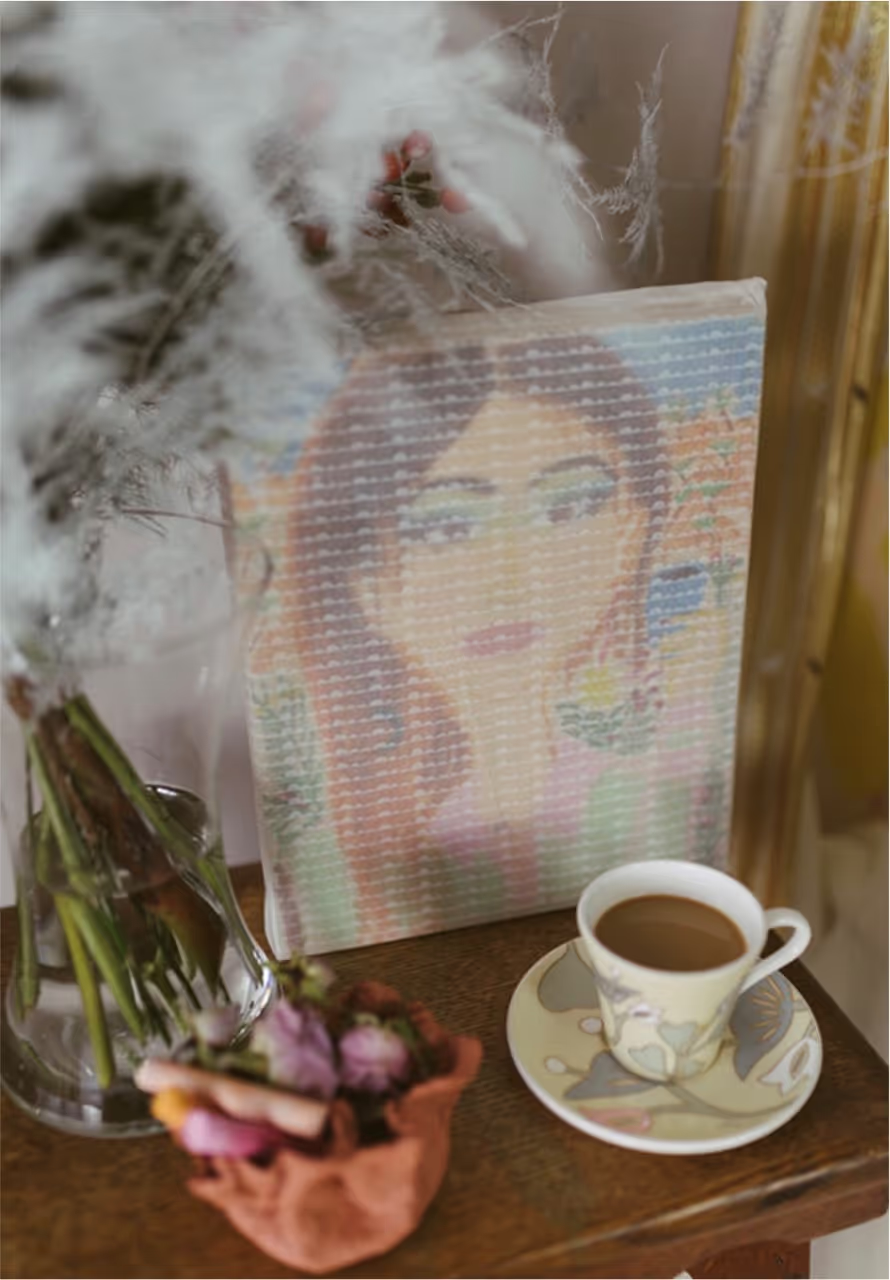
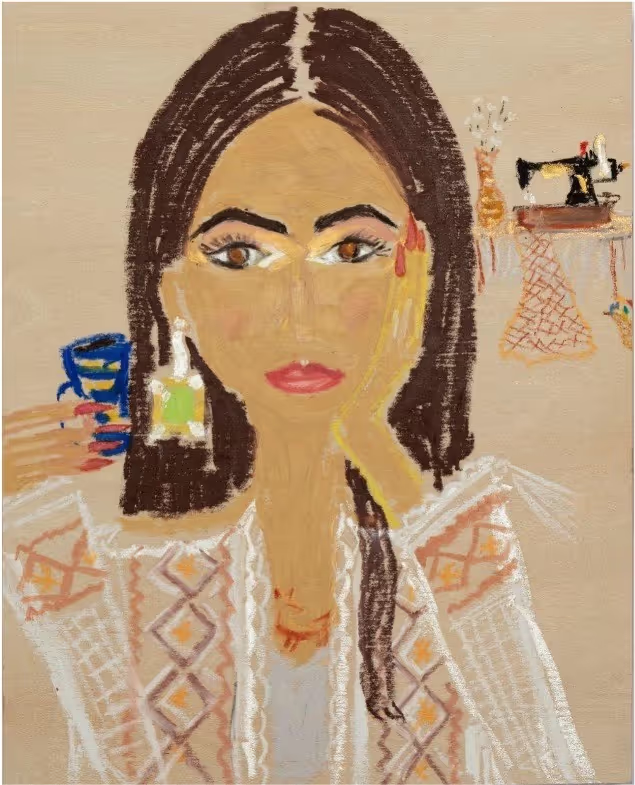
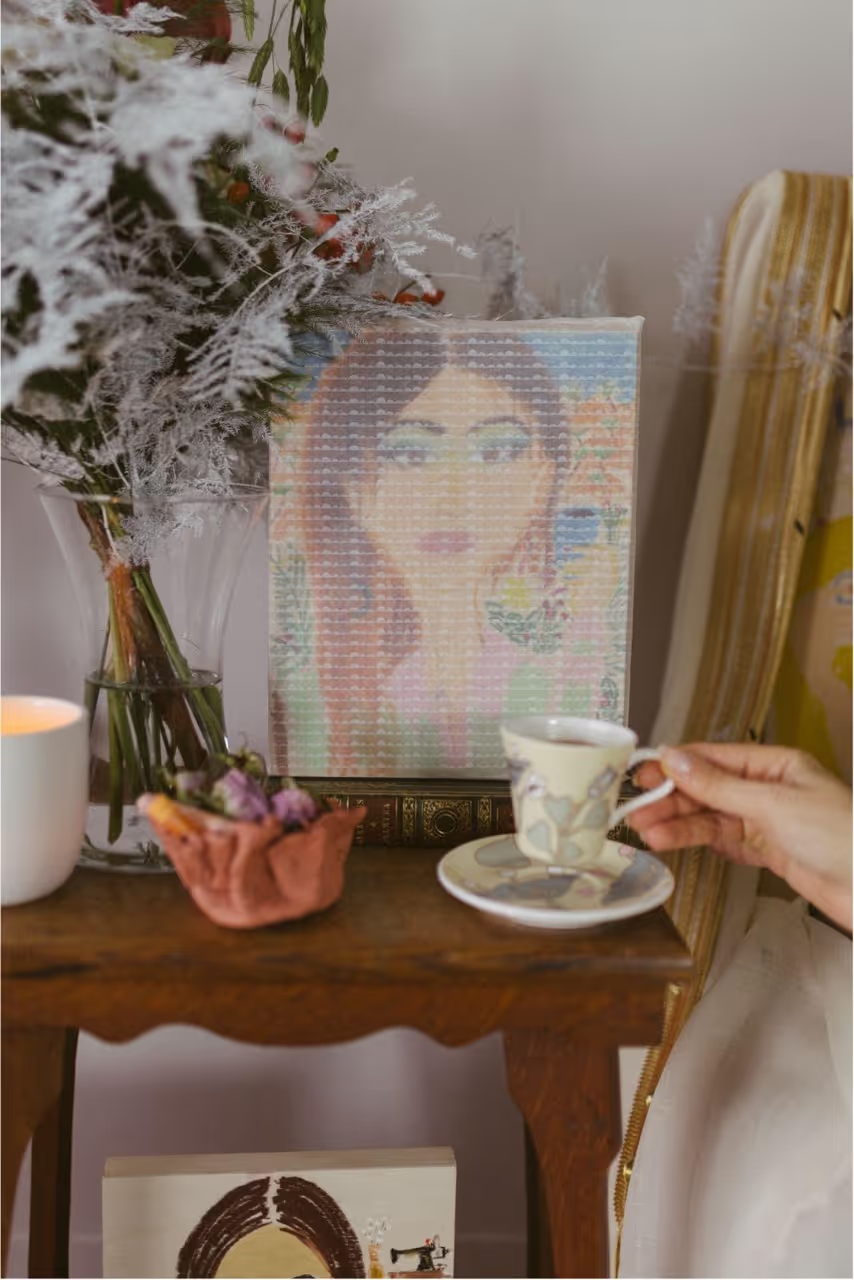
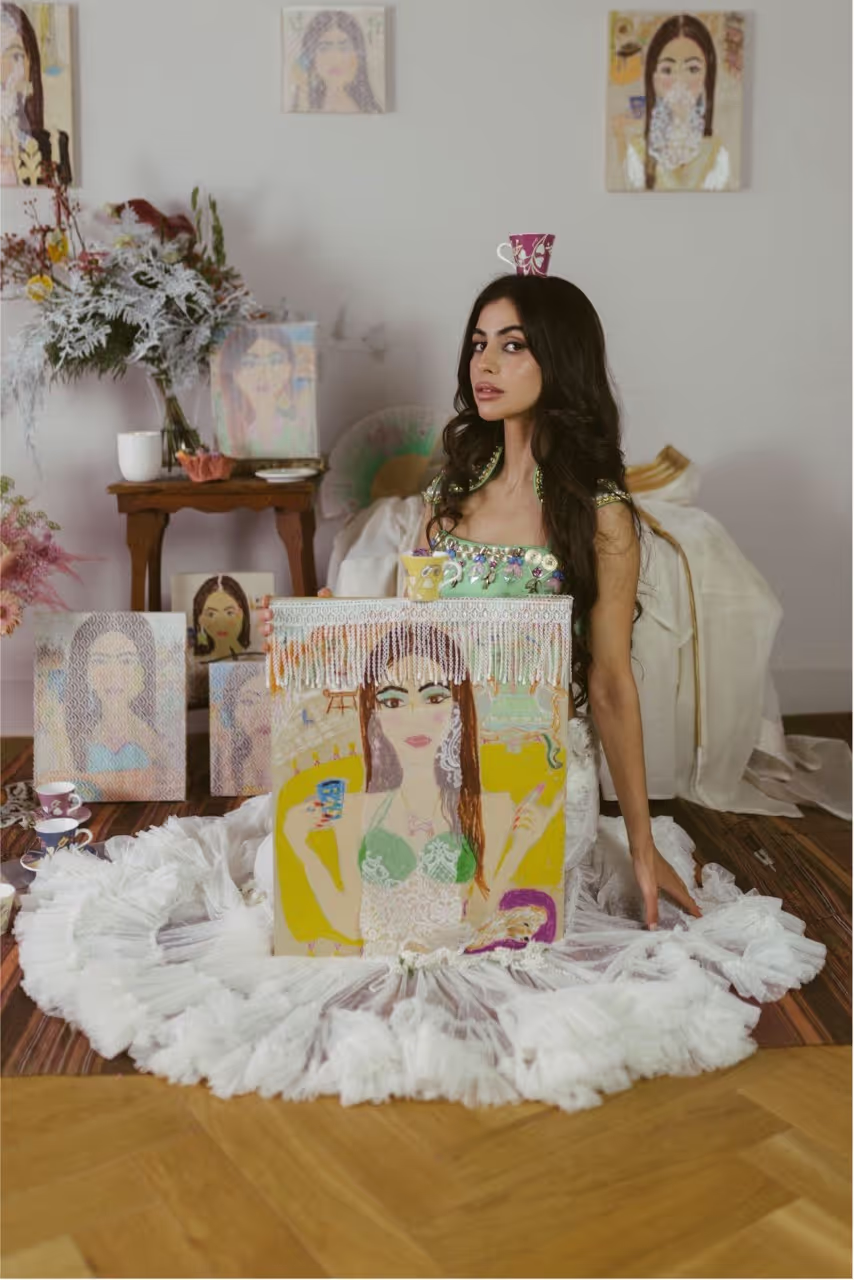
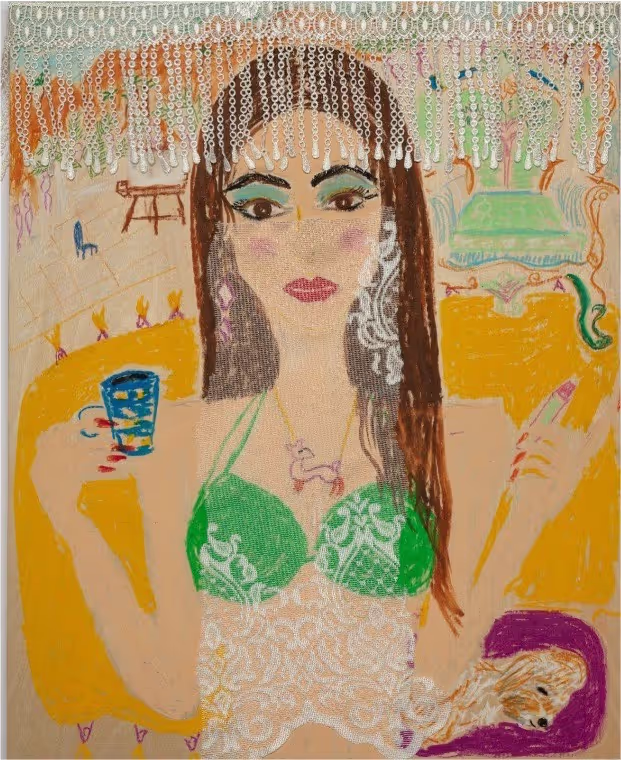
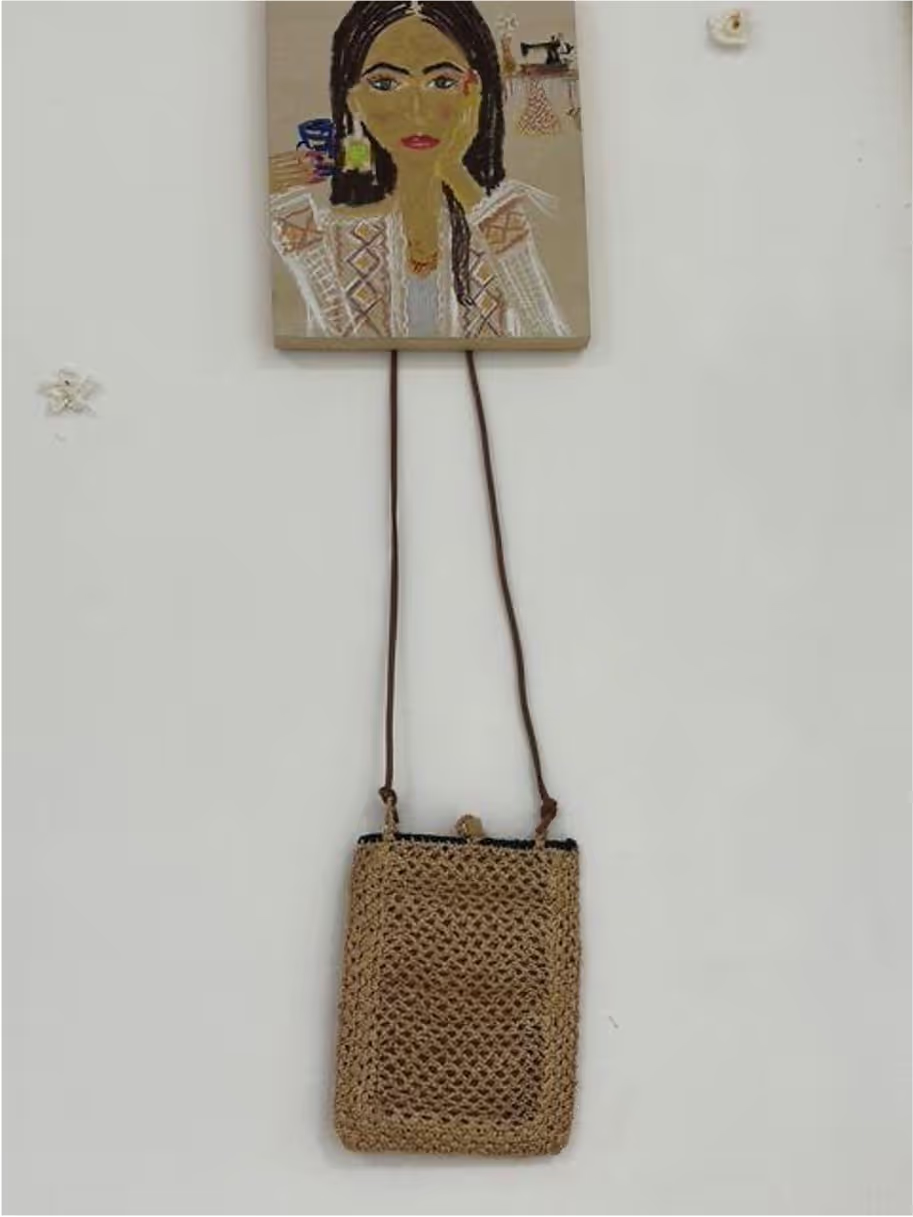
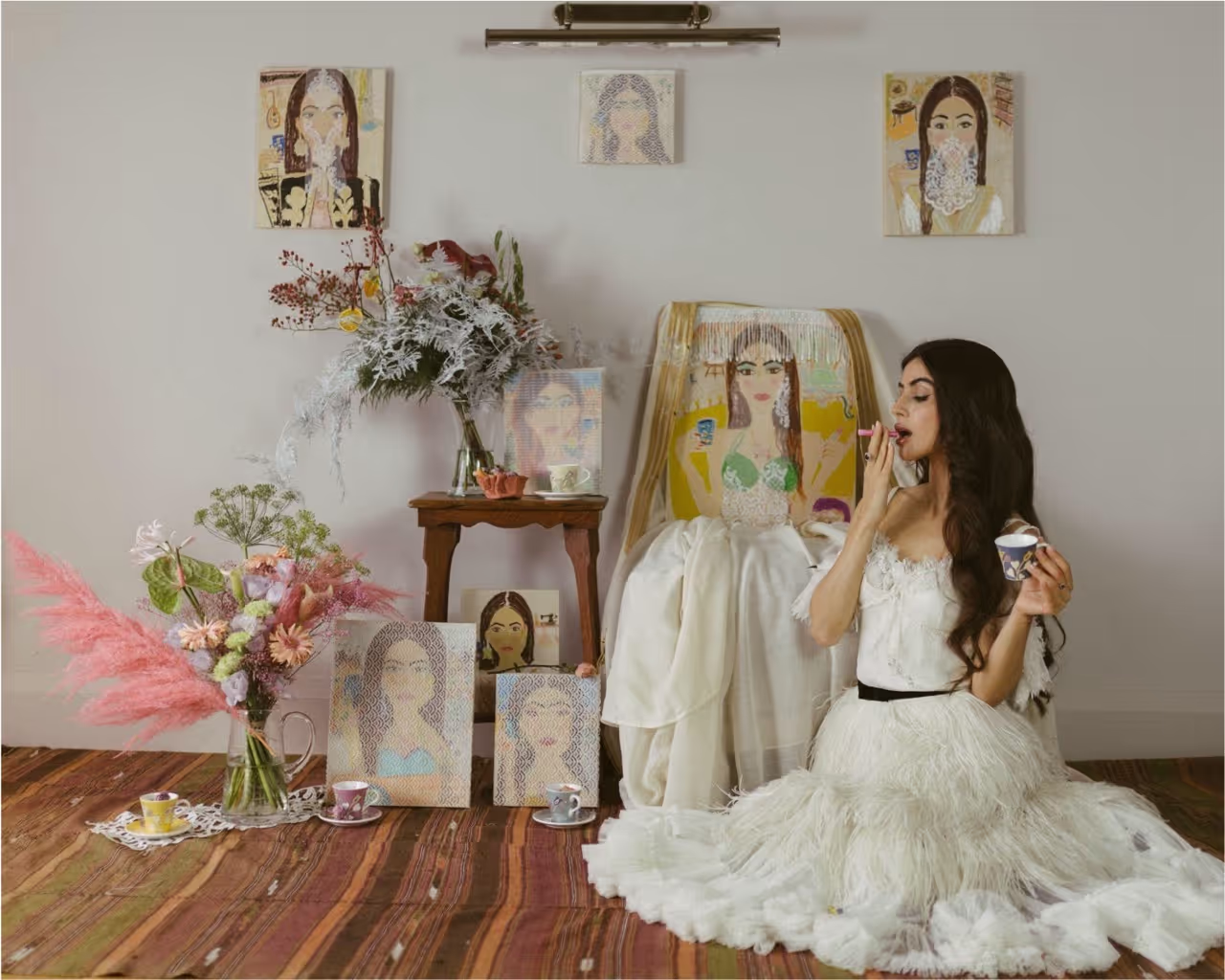
In this series, titled بنات القهوه 'Coffee Girls’, Leena portrays girls adorned with bold makeup and jewelry, all holding a cup of Teta’s Arabic coffee with poker-faced expressions.
Some are fully covered in chocolate wrapping paper or decorative kitchen paper, while others are collaged with curtain or lace trimmings. Their long jackets, drawn from traditional hand-woven crafts in Saudi Arabia and Syria, are traditionally made for men.
The background details evoke a deeply personal and cultural narrative: Teta’s sewing machine, the Arabic literary treasure ‘Kitab Alaghani’ (The Book of Songs), books on Arabic mythology and poetry like ‘Majnun wa Layla’ and ‘Antara wa Abla’, and the ancient city of Al Ula, where women are said to have ruled.
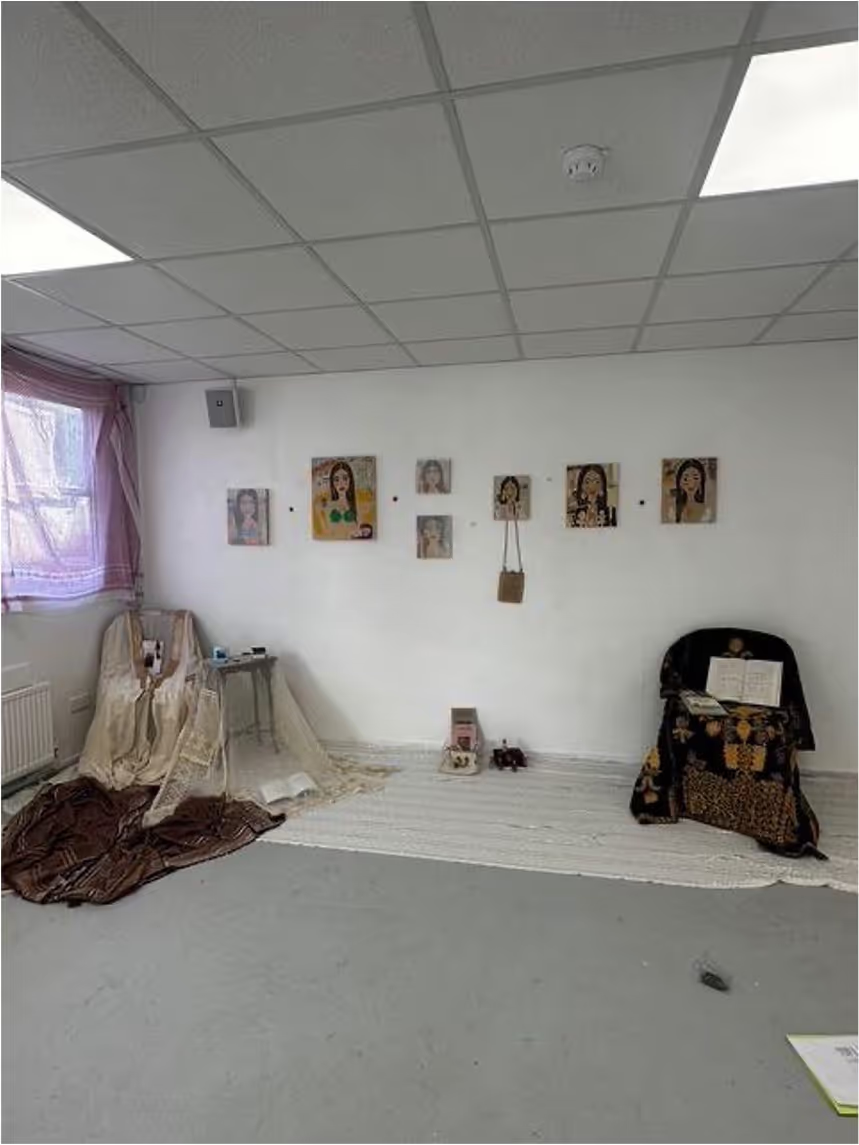
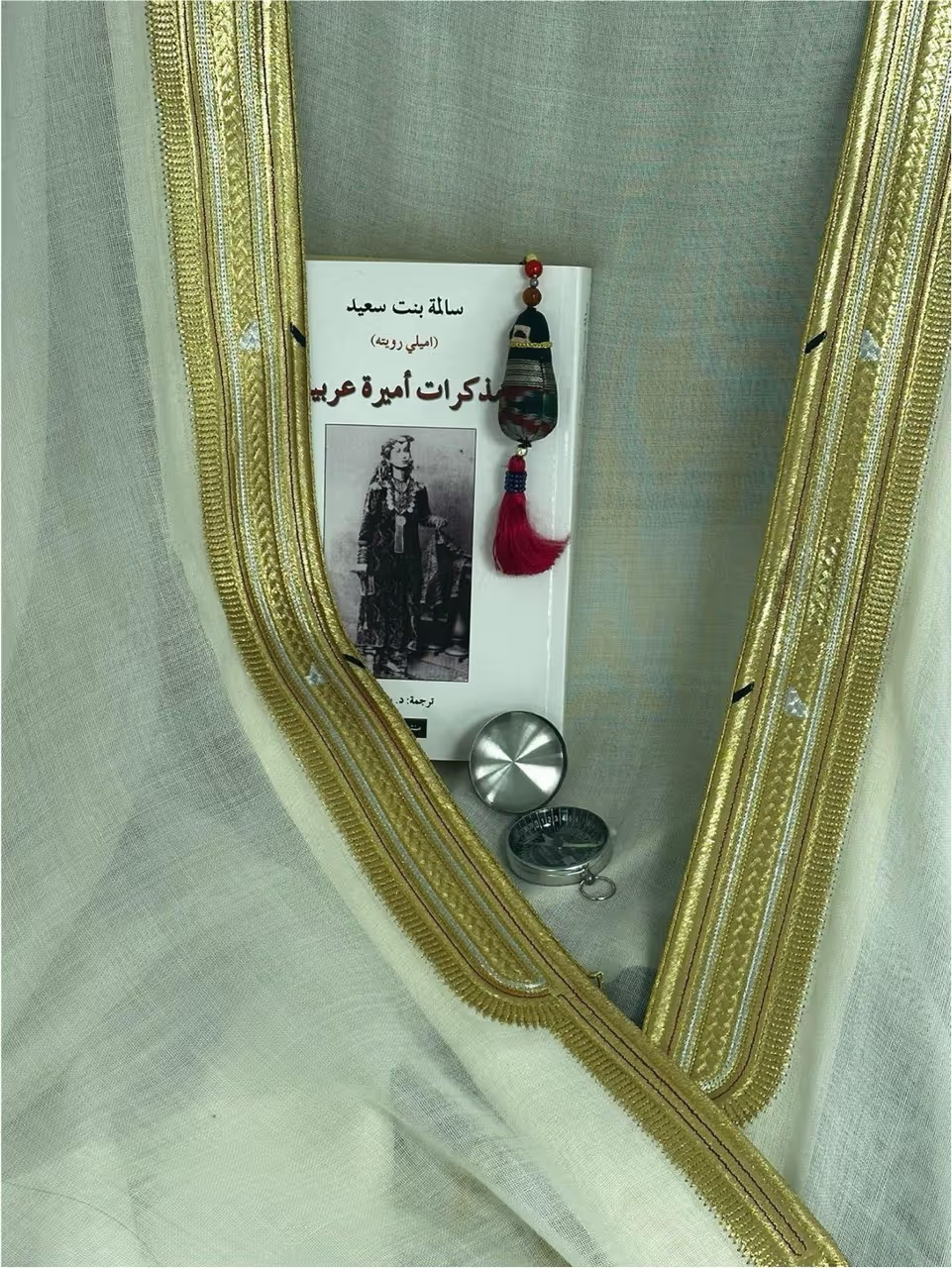
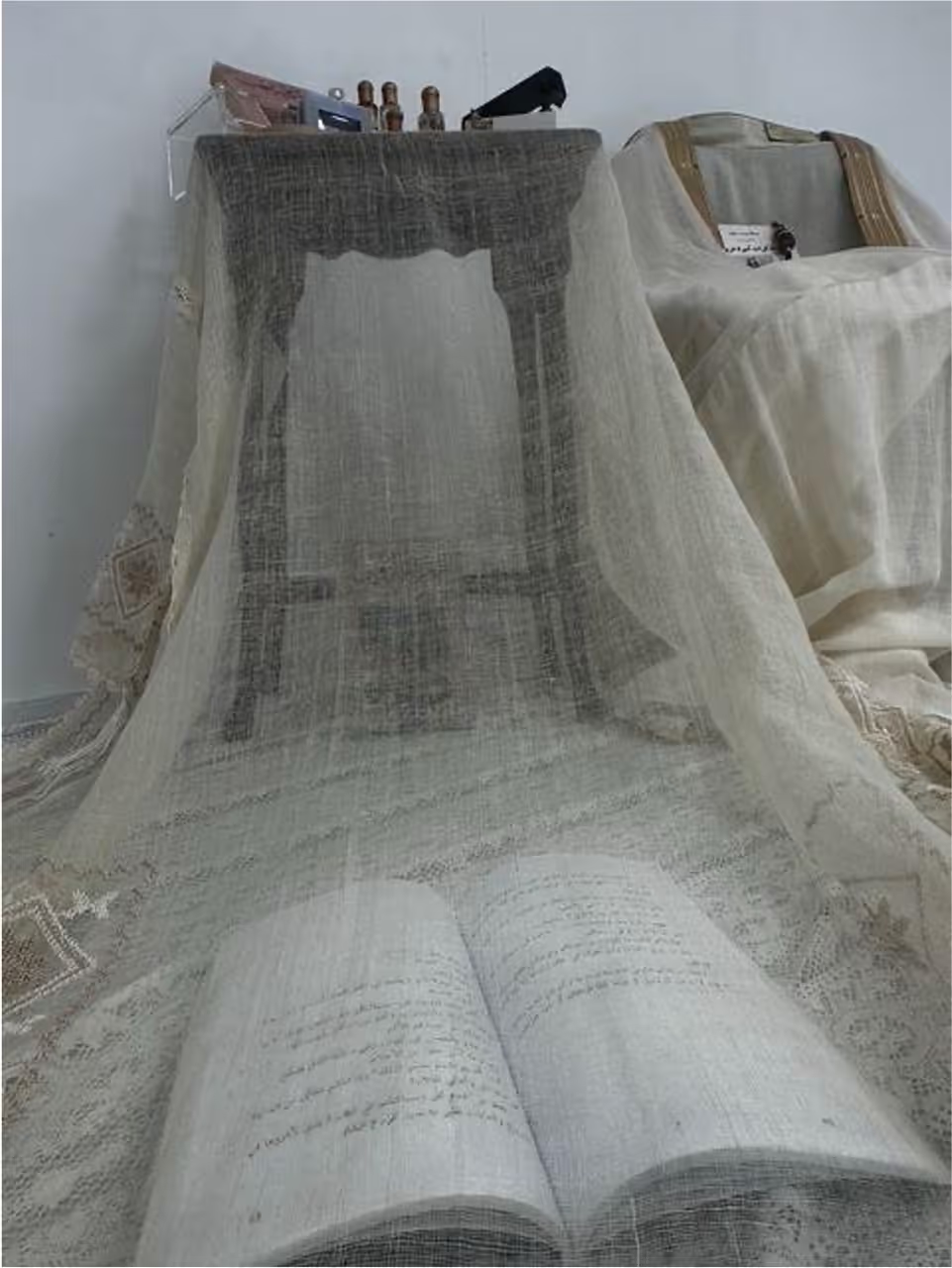
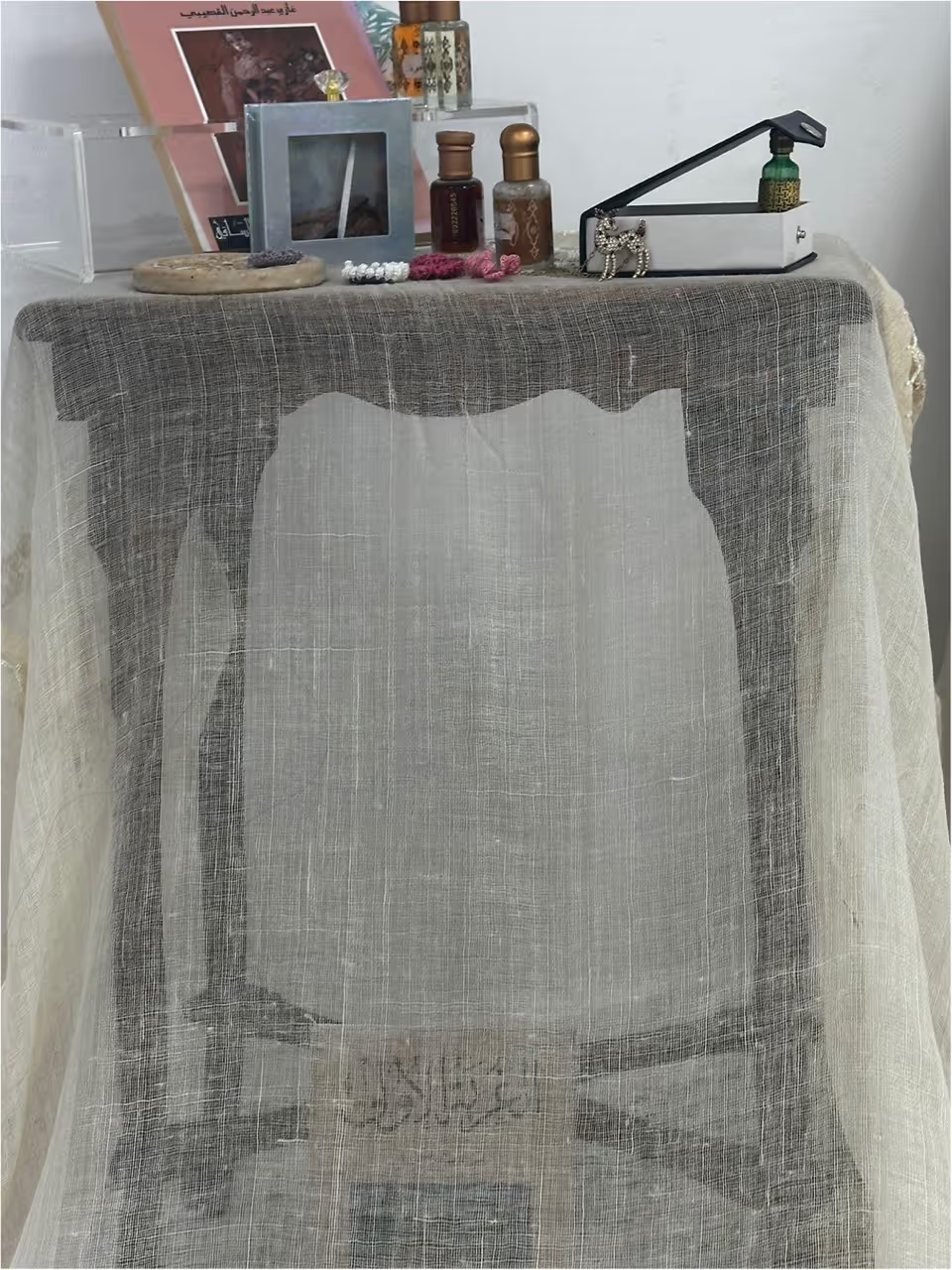
The coffee girls were installed in a cozy reading nook, surrounded by perfumes, jewelry, and books on land, love, and romance, hidden among the fabrics and nestled into the traditionally male abayas drawn on the wood.